Regulatory Variations by Region Reshape Loyalty Programs in Digital Gaming
Vera Keller · Jul 25, 2026
Regulatory Variations by Region Reshape Loyalty Programs in Digital Gaming
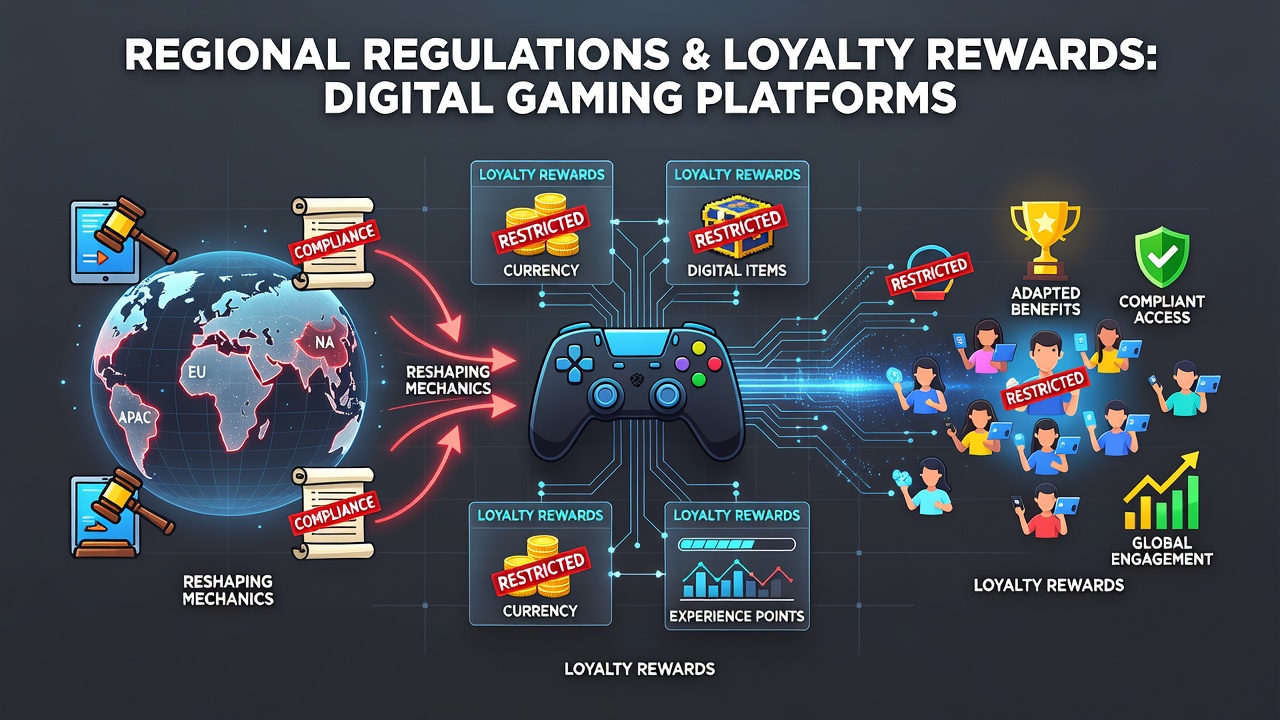
Regional regulations continue to modify how digital gaming platforms structure loyalty rewards, with each jurisdiction imposing distinct rules on bonus structures, point redemption, and player incentives that operators must follow to maintain compliance. Data from industry reports shows these changes affect everything from welcome bonuses to ongoing VIP tier benefits, forcing platforms to adapt their systems for different markets while keeping core gameplay intact.
State-Level Rules in the United States Create Fragmented Reward Systems
Across the United States, individual states enforce separate standards for loyalty rewards in digital gaming, which leads to platforms offering varied point systems depending on user location. In states like New Jersey and Pennsylvania, regulations require clear disclosure of reward terms and prohibit certain auto-renewal bonuses, so operators adjust cashback percentages and tier progression rates accordingly. Figures from state gaming boards reveal that these requirements have prompted many platforms to segment their loyalty databases, delivering customized offers that align with local limits on promotional value.
Observers note that platforms operating in multiple states often maintain separate reward ledgers to avoid cross-jurisdictional violations, and this segmentation becomes more pronounced when new rules take effect. By July 2026, several states plan to implement updated consumer protection measures that cap the maximum value of redeemable loyalty points tied to real-money deposits, which will require further technical updates from operators handling interstate traffic.
European Markets Introduce Strict Transparency Mandates
European countries apply their own layers of oversight, with nations like Germany and the Netherlands requiring operators to separate loyalty rewards from gambling funds and to provide players with detailed statements on point expiration. Research from gaming associations indicates these rules have reduced the frequency of bonus-heavy promotions in those regions, while platforms instead emphasize non-monetary perks such as exclusive events or merchandise redemptions. Platforms must also verify player eligibility for rewards through enhanced identity checks, which adds steps to the enrollment process for loyalty programs.
What's interesting is how these European standards differ from those in Southern European markets, where operators face fewer restrictions on point multipliers during peak seasons. Platforms serving both northern and southern users therefore deploy dynamic reward engines that switch parameters based on detected location, ensuring compliance without disrupting overall engagement metrics.
Asia-Pacific Jurisdictions Focus on Responsible Play Limits
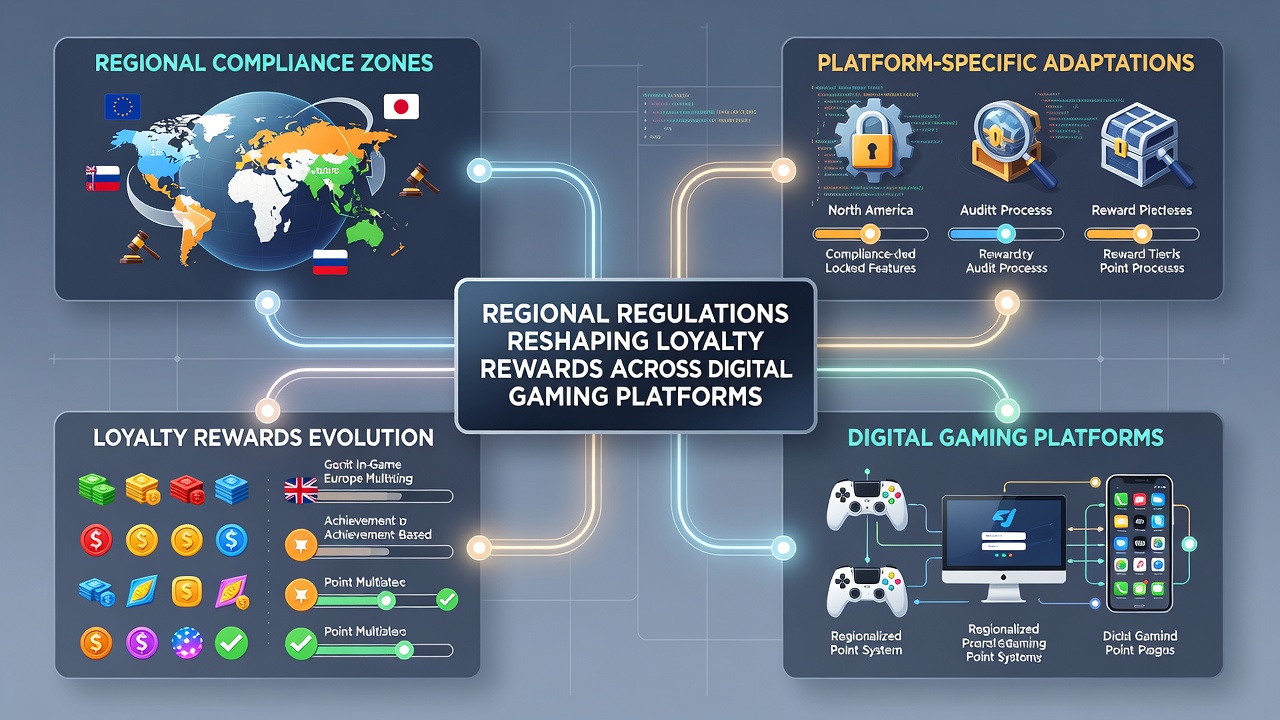
In Asia-Pacific regions, regulators in Australia and parts of Canada emphasize responsible gaming caps that directly influence loyalty reward accumulation rates. Australian research centers have documented how mandatory spending limits reduce the speed at which players advance through loyalty tiers, prompting platforms to introduce alternative progress metrics such as playtime milestones instead of deposit volume. These adjustments maintain player interest while satisfying local mandates on harm minimization.
Canadian provinces apply similar constraints through provincial gaming authorities, where loyalty programs must exclude certain high-risk game types from point-earning eligibility. Operators respond by creating hybrid reward models that blend standard points with region-specific badges, allowing users in restricted areas to unlock benefits through skill-based challenges rather than repeated wagering. Data shows this approach helps platforms retain compliance across borders without sacrificing retention numbers.
Technical Adaptations and Platform Responses
Digital gaming platforms invest in modular software architectures to handle these regional differences, with backend systems that apply location-based filters to reward calculations in real time. Industry analyses from trade groups demonstrate that such investments have grown steadily, as operators seek to avoid penalties while preserving competitive loyalty offerings. One platform that expanded into new Asian markets in 2025 revised its entire VIP structure to accommodate stricter point caps, replacing cash-equivalent redemptions with experience-based rewards that comply with local guidelines.
Those who track regulatory filings observe that companies often publish updated terms ahead of deadlines like the July 2026 changes in select U.S. states, giving players advance notice of modified redemption windows and adjusted tier benefits. These proactive disclosures reduce support queries and help platforms demonstrate good-faith compliance during audits.
Conclusion
Regional regulations continue to drive targeted modifications to loyalty rewards across digital gaming platforms, with each area imposing unique constraints on bonus design, point valuation, and redemption options. Platforms respond through segmented systems, dynamic software tools, and alternative reward formats that balance regulatory demands with player expectations. As new rules approach implementation dates such as July 2026, operators maintain ongoing adjustments to their loyalty frameworks to stay aligned with evolving jurisdictional requirements.