Push Notification Tactics Influencing User Activity Levels in Sports Betting Apps
Vera Keller · Jul 30, 2026
Push Notification Tactics Influencing User Activity Levels in Sports Betting Apps
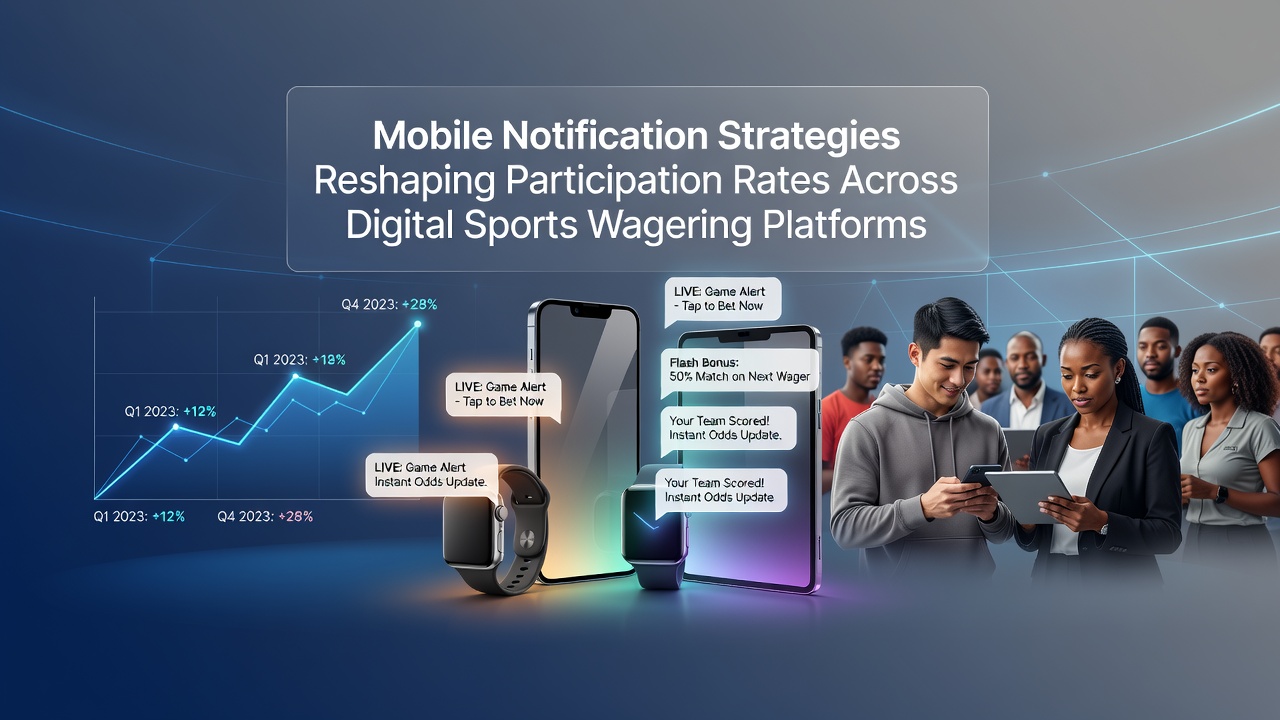
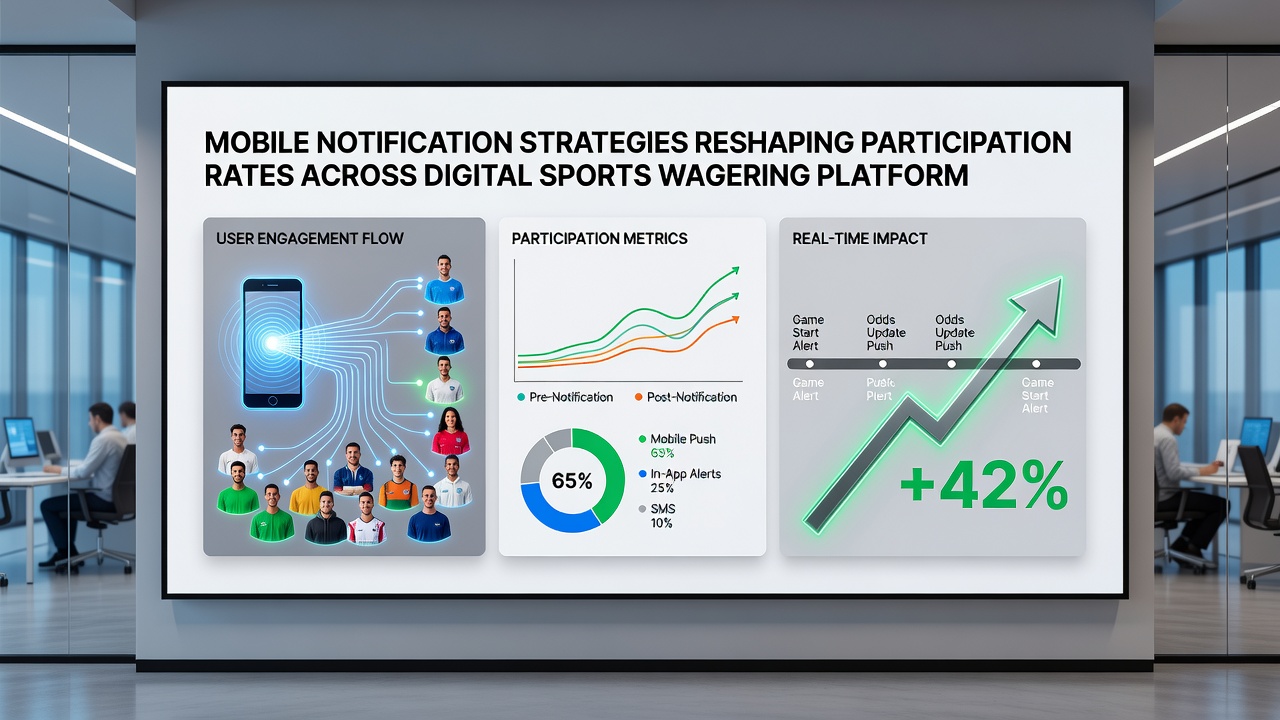
Digital sports wagering platforms have integrated mobile notification systems that send targeted messages about live odds, event starts, and account balances, and these systems connect directly to shifts in how users open apps and place wagers. Data from multiple operators shows that well-timed alerts correlate with higher session frequencies, while poorly calibrated ones lead to opt-outs and reduced activity. In July 2026 industry tracking indicated that platforms using segmented notification lists recorded participation increases of 12 to 18 percent compared with those relying on generic blasts.
Core Components of Notification Delivery
Operators segment user bases by betting history, preferred sports, and time-of-day patterns before crafting messages that reference specific markets or upcoming matches. Real-time triggers such as sudden line movements or injury reports activate these alerts within seconds, and studies from academic groups confirm that messages arriving during pre-event windows produce the strongest lift in bet submissions. Frequency caps prevent overload, yet platforms still test variations in wording and emoji use to measure open rates across different demographics.
Measured Effects on Participation Metrics
Research conducted by university teams tracking anonymized app data reveals that personalized notifications raise daily active users by prompting quick returns to the platform, and the same work shows conversion from alert click to wager completion occurring at rates between 22 and 35 percent depending on sport and time zone. Operators report that notifications tied to live events sustain longer sessions because users remain engaged through multiple score updates and in-play markets. Figures released by North American gaming associations document that platforms adjusting notification volume based on user response curves achieved steady month-over-month gains in handle without corresponding spikes in self-exclusion requests.
Timing and Content Variations
Morning alerts focused on pre-game analysis tend to generate more research-driven bets, whereas evening notifications centered on live odds adjustments drive quicker, smaller wagers. One analysis of Canadian operators found that alerts sent between 6 p.m. and 9 p.m. local time produced the highest participation lift, while messages outside those hours required additional personalization to maintain similar response levels. Content that includes both the market and a projected payout range outperforms messages listing only the event name, according to internal A/B tests shared at industry conferences.
Regulatory and Platform Adjustments
State-level gaming commissions in the United States require clear opt-in language and easy unsubscribe paths, and operators must log these preferences to remain compliant. European regulators have issued similar guidance that emphasizes transparency about data usage for message targeting. Platforms respond by embedding preference centers inside apps so users can select notification categories, and this approach has reduced complaint volumes while preserving the engagement benefits of relevant alerts. In July 2026 several major operators updated their systems to align with new Australian interactive gambling rules that mandate explicit consent for push marketing.
Case Examples from Operating Markets
One major North American operator introduced geo-fenced notifications that activated only when users entered stadium areas on game days, and internal metrics showed a 27 percent rise in in-game betting volume during the first season of deployment. Another platform in Europe tested quiet-hour settings that suppressed alerts between 11 p.m. and 7 a.m., resulting in lower churn rates among users who had previously disabled notifications entirely. These adjustments demonstrate how operators refine delivery rules to match regional habits and regulatory expectations without sacrificing the participation gains tied to timely information.
Technical Infrastructure Supporting Delivery
Cloud-based messaging services handle millions of notifications per minute during peak sports windows, and machine-learning models score each user’s predicted response before deciding whether to send an alert. Integration with betting engines allows immediate updates on odds changes, which keeps the content accurate and relevant. Platforms that maintain redundant delivery paths report higher completion rates when primary channels experience brief outages, and these redundancies have become standard practice across large operators.
Conclusion
Mobile notification strategies continue to evolve alongside changes in user behavior and regulatory requirements, and operators that combine precise segmentation, compliant delivery, and performance measurement maintain stronger participation rates across their sports wagering products. Ongoing data collection from multiple jurisdictions provides the evidence base for further refinements, while technical improvements in real-time triggering support faster and more accurate message distribution.