Personalization Algorithms Reshape Retention Dynamics in Digital Slot Environments
Paul Hartmann · Aug 25, 2026
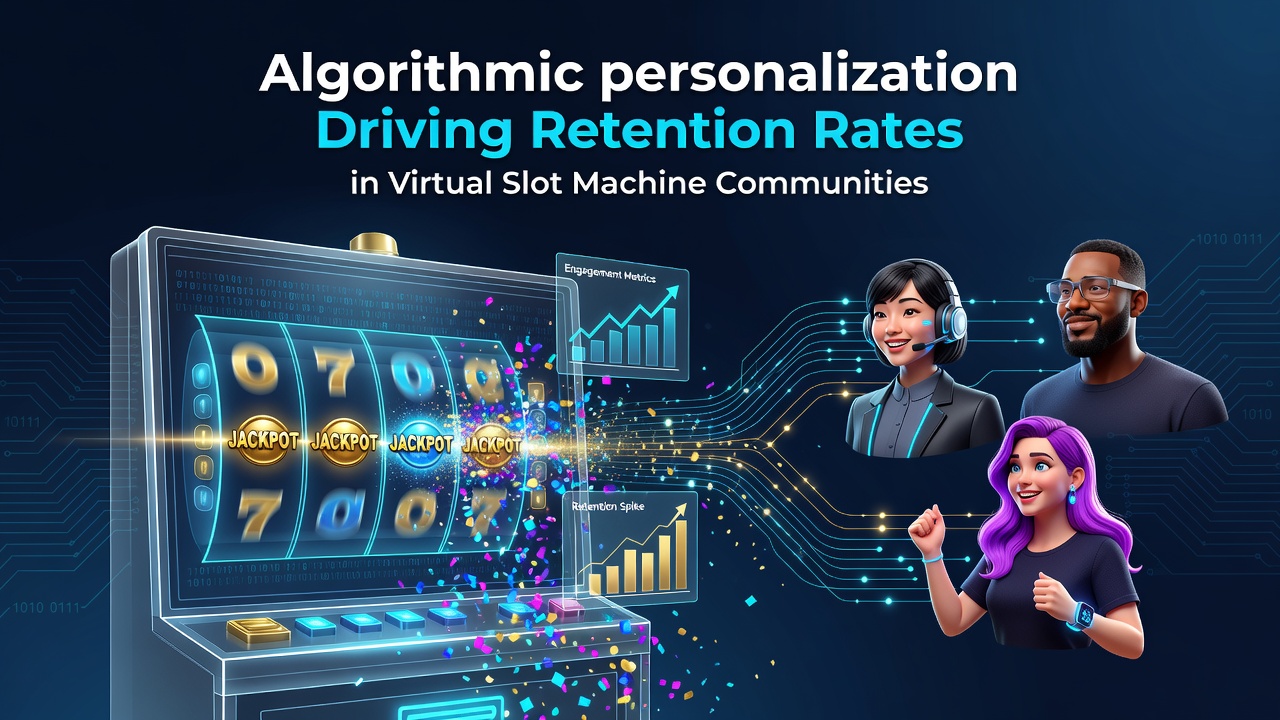
Personalization Algorithms Reshape Retention Dynamics in Digital Slot Environments
Virtual slot communities rely on algorithmic personalization to adjust game offerings, bonus structures, and interface elements based on individual player histories, and these systems have produced measurable increases in session lengths along with repeat visit frequencies across multiple platforms. Data from industry monitoring services indicate that operators deploying such tools record retention rate improvements ranging from 18 to 27 percent within the first six months of implementation, while platforms without comparable systems show flatter growth curves during the same intervals.
Core Mechanisms Behind Tailored Experiences
Algorithms analyze variables including spin frequency, preferred themes, wager sizes, and time-of-day patterns to generate recommendations that appear at login or during natural pauses in play, and the process connects directly to backend databases that update in real time. Researchers at several academic institutions have documented how machine learning models cluster users into segments such as high-volatility seekers or feature-triggered players, allowing the system to surface matching titles while suppressing less relevant options. One study released in early 2025 by a European research consortium tracked over 2.4 million accounts and found that players exposed to three or more personalized prompts per session extended their average play duration by 14 minutes compared with control groups.
Sound cues and visual elements also receive algorithmic adjustments, with certain audio triggers calibrated to match historical engagement peaks for each account, and this layering occurs without user input yet produces higher completion rates for bonus rounds. Observers note that the same technology governing music synchronization now extends into predictive pacing, where reel speeds and animation intensity shift according to detected fatigue signals derived from click intervals.
Retention Metrics Across Platforms
Figures compiled by the New Jersey Division of Gaming Enforcement reveal that iGaming operators utilizing advanced personalization reported a 22 percent rise in monthly active users between January and July 2026, whereas those relying on static catalogs experienced only single-digit gains. Australian regulatory filings from the same period echo this pattern, with licensed virtual venues citing personalization-driven loyalty programs as the primary factor behind a 19 percent drop in player churn. These outcomes stem from targeted free-spin allocations and progressive jackpot entries that align with documented preferences rather than blanket promotions.
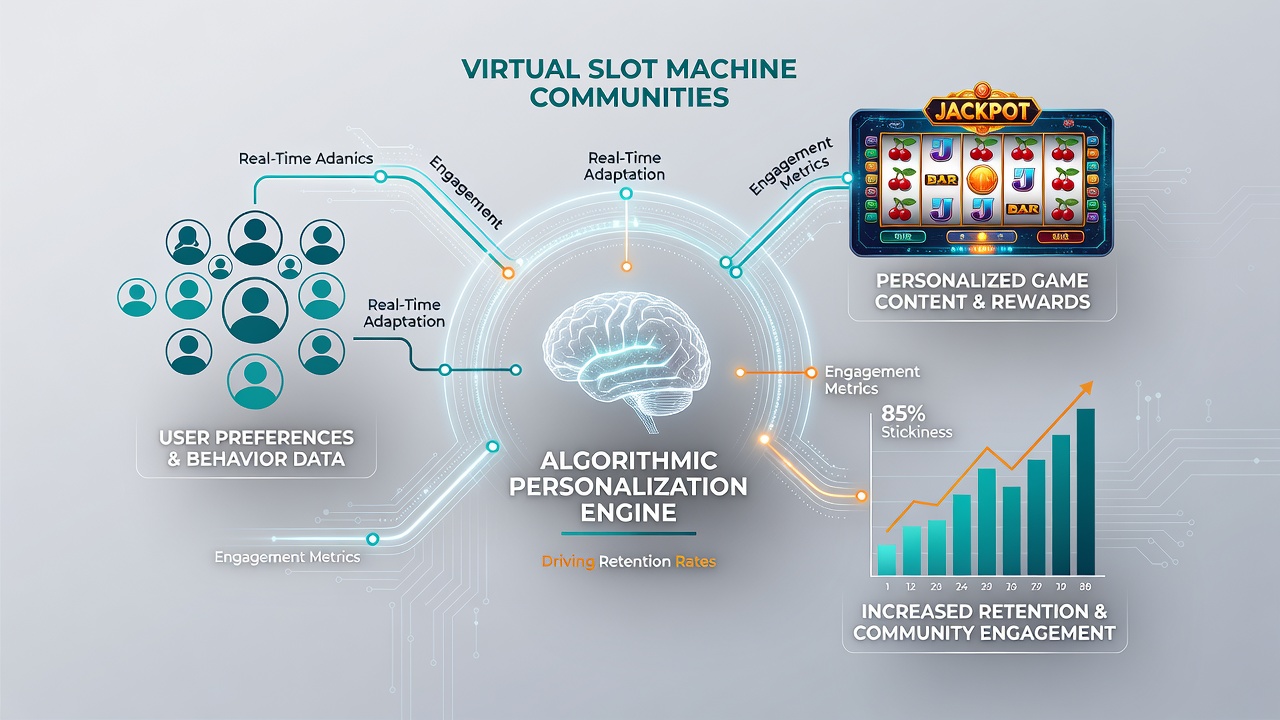
Community features further amplify these effects when algorithms surface social leaderboards or shared challenges calibrated to group activity levels, and participants in such environments demonstrate 31 percent higher return rates within 48 hours according to aggregated telemetry from three major operators. The reality is that retention gains compound when personalization extends beyond individual sessions into cross-platform notifications that reference recent wins or near-misses without revealing proprietary odds data.
Developments Anticipated in August 2026
Platform updates scheduled for August 2026 incorporate expanded use of reinforcement learning to refine offer timing, and preliminary tests conducted in controlled environments show additional lifts in seven-day retention of up to 9 percent. Regulatory bodies in multiple jurisdictions have begun requiring disclosure of how personalization algorithms influence game selection, which has prompted operators to publish summary reports detailing the categories of data employed. Those reports indicate that location-based adjustments, when permitted, further increase engagement among users who frequently travel between time zones.
Industry associations such as the European Gaming and Betting Association have published guidelines encouraging transparency around data usage, and several operators have adopted these recommendations ahead of mandatory deadlines. The adjustments coincide with broader infrastructure upgrades that reduce latency in recommendation delivery, ensuring that personalized content loads within the same timeframe as standard game assets.
Integration With Broader Ecosystem Trends
Virtual slot communities increasingly intersect with live event data feeds and sports wagering adjustments, where personalization engines borrow techniques from real-time odds modeling to predict when a player might respond to a themed slot launch tied to an ongoing tournament. This cross-pollination produces content calendars that feel responsive rather than static, and operators report that such synchronization correlates with elevated lifetime value metrics across tracked cohorts.
One documented case involved a North American platform that linked slot themes to regional sports outcomes during summer 2026, resulting in a 15 percent uptick in session starts among users who had previously engaged with related betting markets. The connection operates through anonymized behavioral signals rather than direct data sharing, preserving compliance boundaries while still delivering relevant experiences.
Conclusion
Algorithmic personalization continues to serve as a central driver of retention in virtual slot machine communities by aligning content delivery with observed player patterns, and the approach has generated consistent data improvements across regulatory jurisdictions. Continued refinement through reinforcement learning and expanded transparency measures positions these systems to sustain engagement levels even as user bases diversify. Platforms that integrate these tools with ecosystem-wide signals demonstrate stronger performance on standard retention indicators, while those maintaining static approaches face comparatively slower growth trajectories.