Media Streams Shaping Dynamic Pricing Models in Sports Wagering Markets
Vera Keller · May 30, 2026
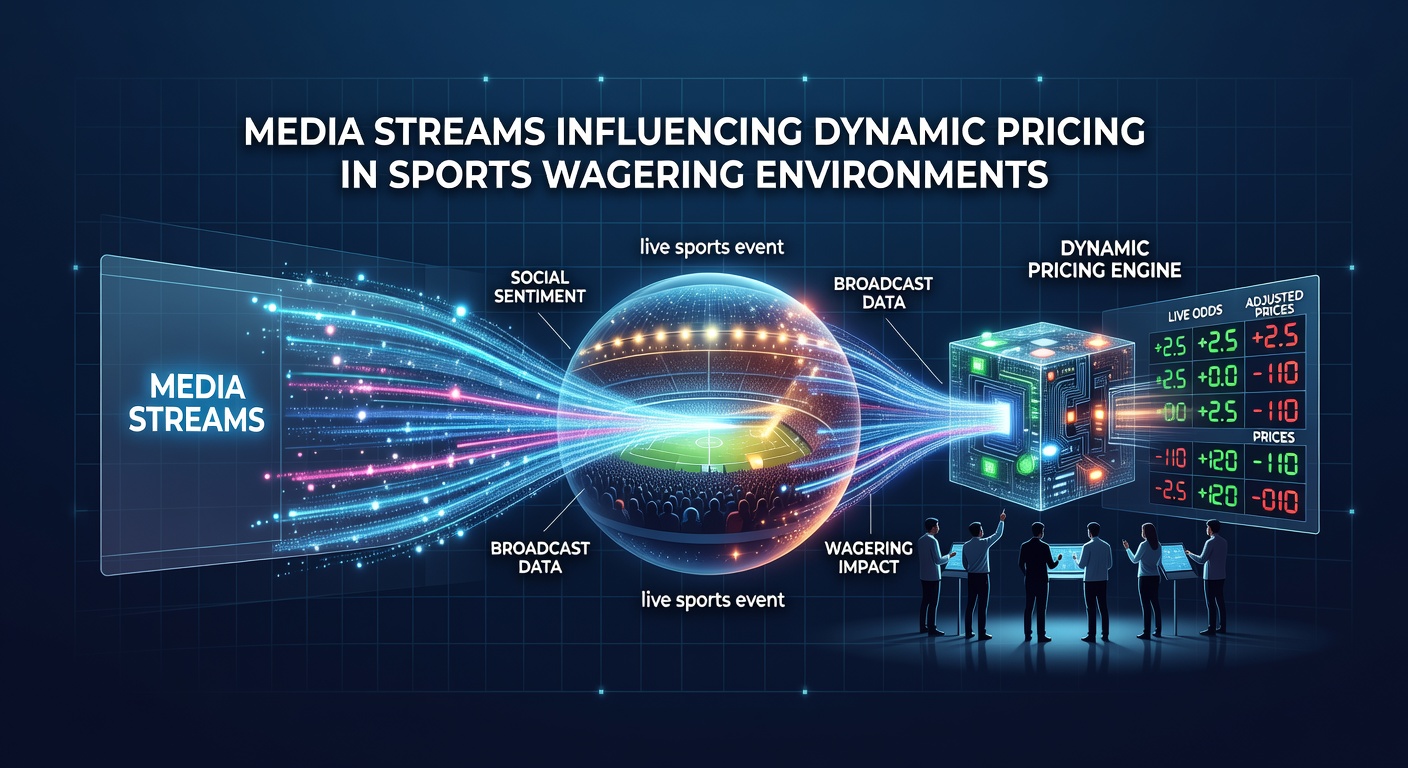
Media Streams Shaping Dynamic Pricing Models in Sports Wagering Markets
Media streams from television networks, social platforms, and specialized data providers feed directly into pricing engines that adjust odds across sports wagering platforms, and this integration has accelerated as operators seek faster responses to incoming information. Multiple sources transmit updates on player injuries, weather shifts, and crowd reactions, while algorithms process these inputs to recalibrate prices in real time. Observers note that the volume of such streams has grown steadily, with betting firms relying on them to maintain competitive margins amid fluctuating market conditions.Core Mechanisms Behind Stream-Driven Adjustments
Dynamic pricing relies on continuous data inflows that algorithms evaluate against historical patterns and current betting volumes, and media streams supply context that raw statistics alone cannot provide. A feed from a live press conference might reveal an unexpected lineup change, prompting immediate recalibration of point spreads or totals. Research from the University of Nevada Reno Gaming Lab indicates that platforms incorporating diverse media inputs achieve tighter risk controls compared to those using only numerical data feeds. Operators integrate application programming interfaces that pull from news wires, video analysis tools, and social sentiment trackers, allowing simultaneous evaluation of multiple variables.
These systems operate through layered protocols where initial price shifts occur within milliseconds of stream receipt, followed by secondary adjustments once human analysts verify the information. Data indicates that major platforms handle thousands of such updates during peak events, with each media stream weighted according to its historical accuracy rating. Those who have examined operator logs find that cross-referencing multiple streams reduces erroneous adjustments by significant margins.
Regional Regulatory Approaches to Stream Integration
Regulators in different jurisdictions address media stream usage through distinct frameworks that emphasize transparency and audit trails. The Nevada Gaming Control Board requires operators to maintain detailed records of all data sources influencing price changes, including timestamps and source identifiers. In contrast, Malta's gaming authority focuses on consumer protection measures that mandate disclosure when automated systems alter odds based on external feeds. Australian authorities through the Australian Communications and Media Authority examine how social media streams intersect with wagering advertising standards, requiring clear separation between informational content and promotional material.
Industry reports compiled by the American Gaming Association highlight that compliance costs associated with stream monitoring have risen across these regions since 2024. Firms must demonstrate that their pricing engines apply consistent rules regardless of which media channel delivers the information. This standardization helps prevent selective use of streams that might favor certain outcomes.
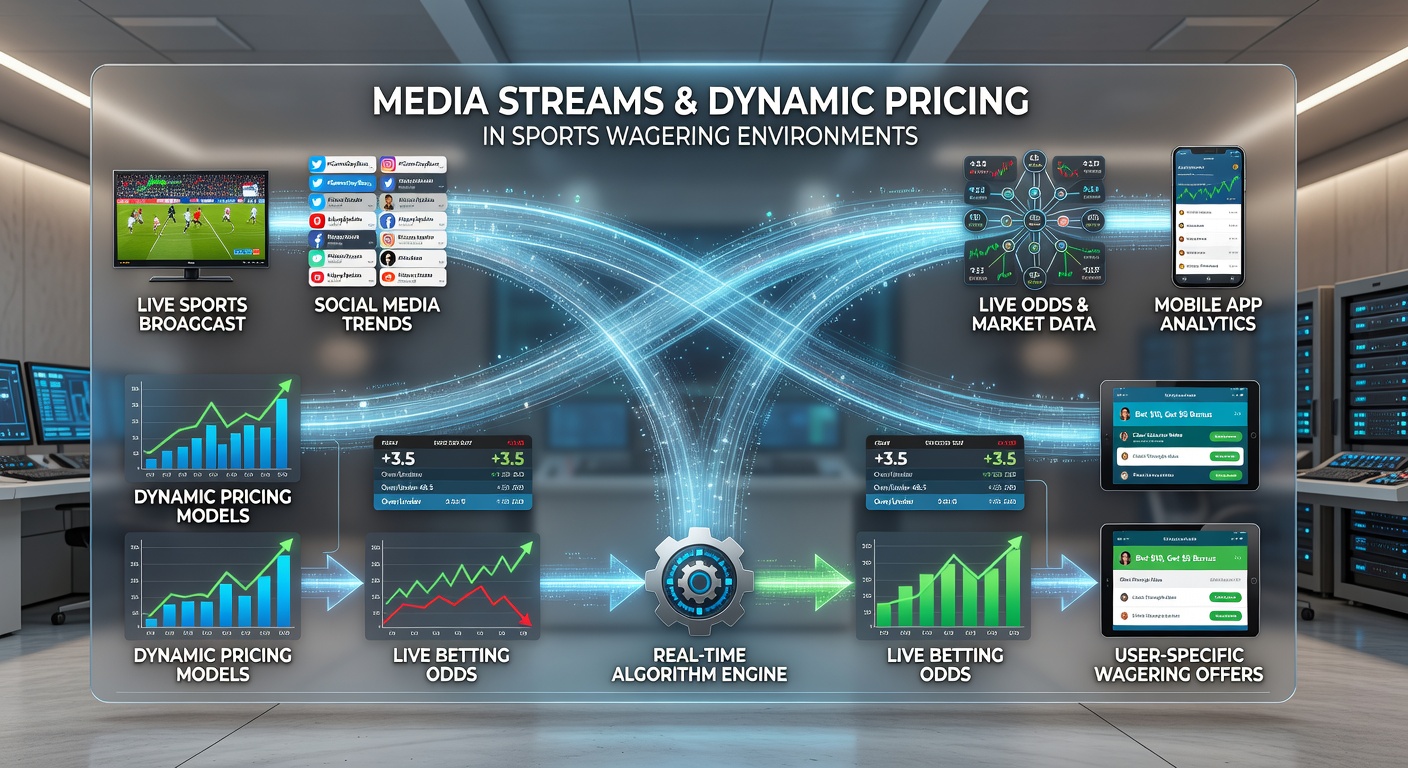
Technological Infrastructure Supporting Stream Processing
Modern wagering environments deploy distributed computing networks that ingest media streams alongside traditional statistical inputs, and these architectures allow parallel processing of text, video, and audio data. Machine learning models trained on historical event outcomes assign reliability scores to different stream types, elevating certain sources during specific sports or seasons. Technical documentation from platform providers shows that redundant verification layers compare incoming media against multiple independent channels before finalizing price movements.
Case examples from major tournaments demonstrate how a single high-credibility stream can trigger cascading adjustments across correlated markets. One documented instance involved a mid-match injury report from an official league broadcast that synchronized updates across dozens of betting products within seconds. Such synchronization requires precise clock alignment between media ingestion points and pricing servers, a process that has become standard practice among larger operators.
Developments Observed in Early 2026
By May 2026 several platforms had expanded their media stream partnerships to include localized coverage from regional sports networks, enabling more granular adjustments for lower-profile events. This expansion coincided with regulatory updates in multiple jurisdictions that clarified requirements for documenting stream influence on final odds. Figures from industry monitoring services reveal increased investment in natural language processing tools capable of extracting actionable details from unstructured media content such as post-game interviews and fan discussions.
These tools help operators distinguish between verified information and speculation, maintaining pricing stability while still capturing timely signals. Observers tracking platform performance note that events with richer media coverage tend to exhibit more frequent but smaller price movements, whereas sparsely covered matches show larger infrequent shifts when key information eventually surfaces.
Conclusion
Media streams have become integral components of dynamic pricing systems within sports wagering, supplying contextual layers that numerical data alone cannot deliver. Regulatory bodies across Nevada, Malta, and Australia continue refining oversight mechanisms to ensure consistent application of these inputs. Technological advancements in stream processing and verification support faster, more accurate adjustments while meeting compliance standards. The ongoing integration of additional regional sources through 2026 suggests continued evolution in how operators balance speed, accuracy, and regulatory requirements.