Global Trends in Poker Room Expansions and Their Ties to Broader Entertainment Ecosystems
Zara Keller · May 16, 2026
Global Trends in Poker Room Expansions and Their Ties to Broader Entertainment Ecosystems
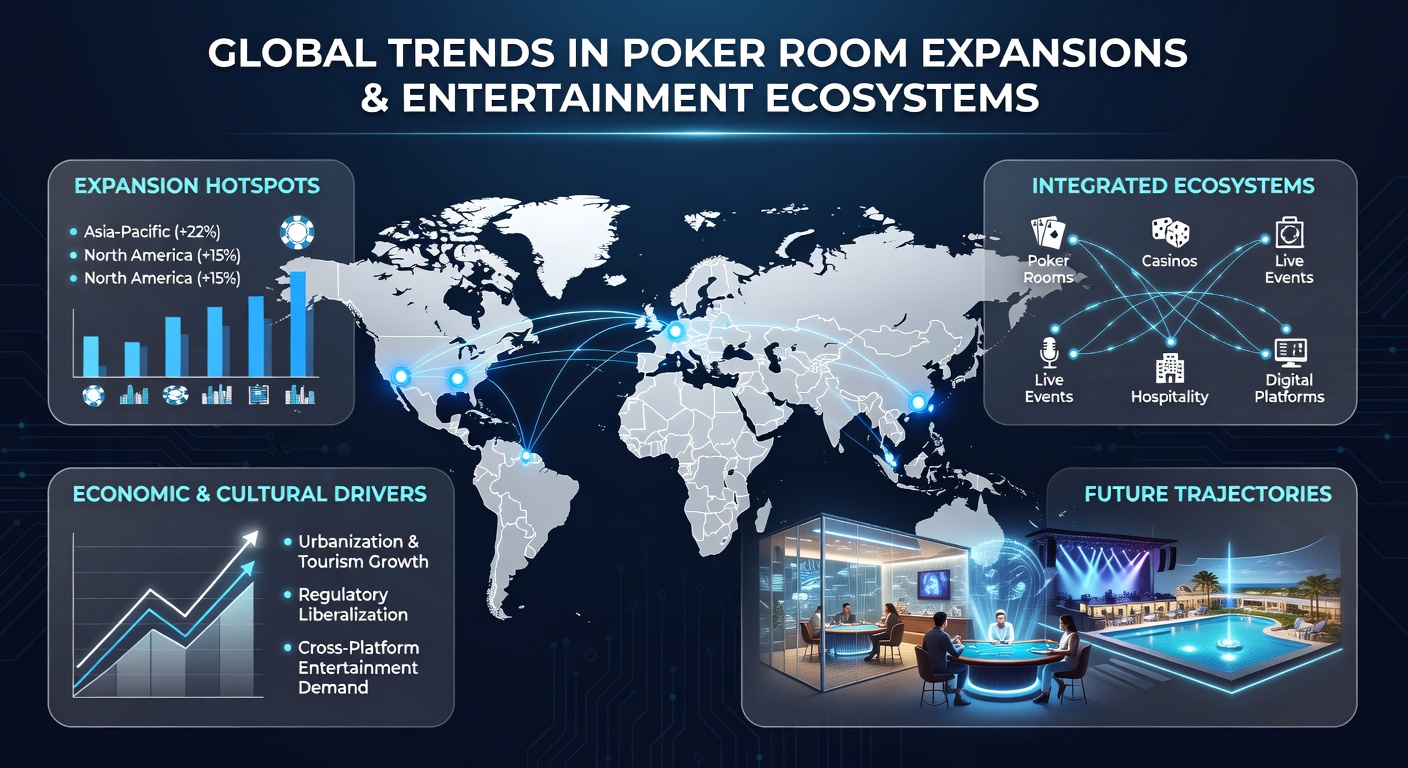
Global expansions of poker rooms continue to accelerate as operators link these spaces directly to wider entertainment offerings such as live music venues, premium dining options, and multi-purpose event arenas. Data from regional gaming authorities show steady growth in physical poker footprints across North America, Asia-Pacific, and select European markets through the mid-2020s, with many new facilities designed as hybrid zones that host both regular cash games and ticketed entertainment programming.
Resort developers in the United States have led much of this activity by embedding poker areas within larger complexes that already feature concerts, sporting events, and nightlife districts. Properties in Las Vegas and Atlantic City report that poker rooms now serve as anchor attractions during off-peak hours, drawing visitors who later attend headline shows or themed dining experiences in adjacent spaces.
North American Developments Drive Integrated Resort Models
Operators in Nevada and New Jersey have opened or renovated multiple poker rooms since 2023, each time pairing the gaming floor with adjacent lounges that double as performance stages. These layouts allow tournament organizers to convert sections into viewing areas for live music or comedy acts on weekends, creating revenue streams that extend beyond table rake. Figures released by the Nevada Gaming Control Board indicate that combined poker and entertainment revenue at major Strip properties rose consistently year over year through 2025, reflecting deliberate design choices that treat poker as one component of a full evening itinerary.
Asia-Pacific Markets Emphasize Scale and Tourism Synergies
Integrated resorts in Singapore and Macau have adopted similar strategies on a larger scale, incorporating expansive poker zones into properties that already attract millions of tourists annually for non-gaming attractions. New facilities scheduled for completion in early 2026 feature dedicated tournament halls that convert into exhibition spaces during regional festivals and music events. Australian operators have followed suit, expanding poker offerings at several New South Wales and Queensland venues while adding adjacent theaters and rooftop bars that host ticketed performances on the same premises.
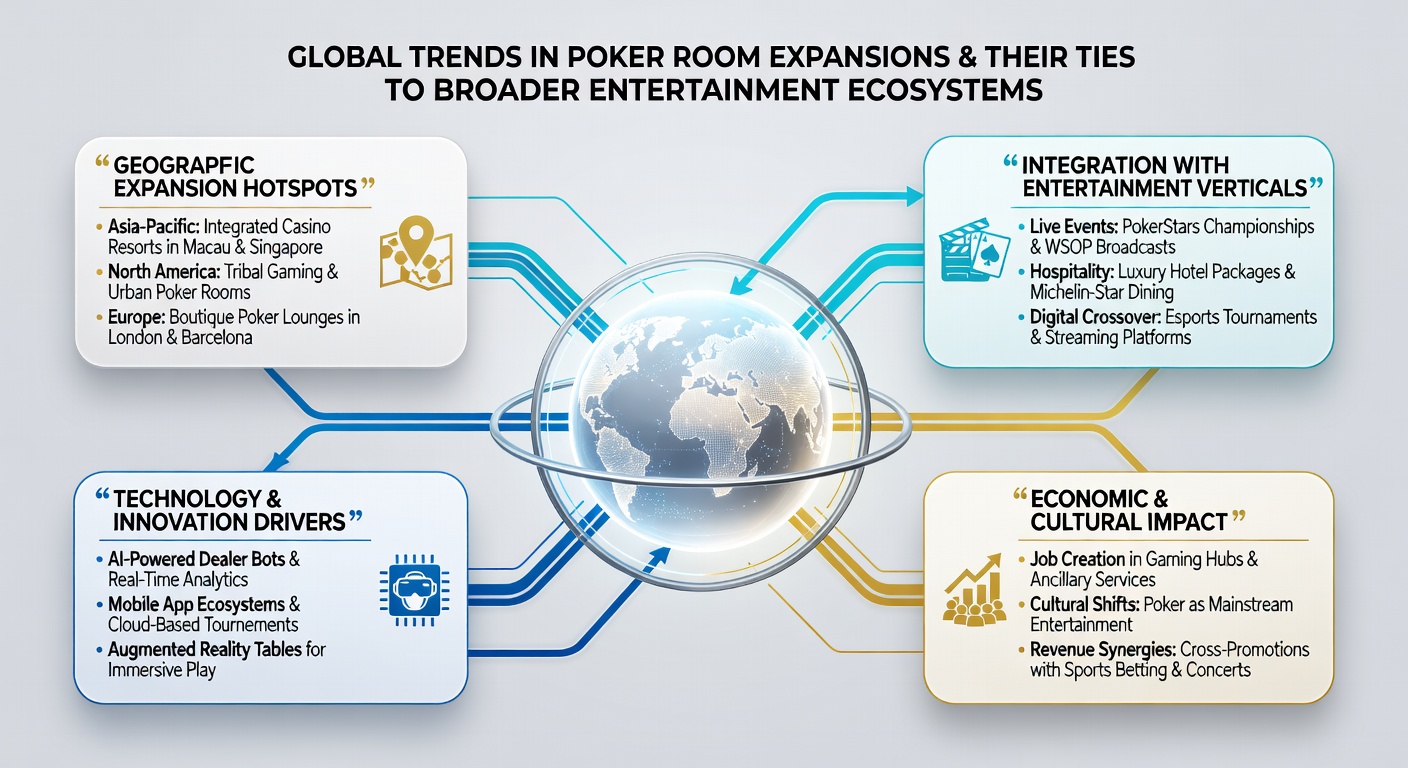
These expansions often coincide with broader tourism initiatives. Government tourism boards in both Singapore and Australia have published reports linking new gaming infrastructure to increased overnight stays and cross-promotional packages that bundle poker tournament entries with concert tickets and hotel stays. The approach mirrors patterns observed in earlier resort developments where poker rooms function less as isolated gaming areas and more as flexible venues within larger entertainment districts.
European Operators Focus on Regulatory Adaptation and Event Programming
Across Europe, poker room growth has occurred primarily through expansions at existing casino hotels rather than ground-up construction. Facilities in Spain, Italy, and several Eastern European countries have added dedicated poker floors that host regular series alongside seasonal entertainment such as DJ sets and culinary festivals. Regulatory frameworks in these jurisdictions require operators to demonstrate community benefit through event hosting, which has accelerated the integration of poker spaces with public entertainment calendars. Industry associations tracking these changes note that operators who successfully combine poker programming with broader cultural events tend to maintain higher foot traffic throughout the year.
Cross-Promotional Strategies and Data Patterns Emerging in 2026
By May 2026 several major resort groups plan simultaneous tournament schedules timed with regional music and sports calendars, a tactic designed to capture visitors already traveling for non-gaming reasons. Research compiled by university gaming centers shows that properties offering bundled experiences report longer average visit durations compared with those maintaining strictly segregated gaming and entertainment zones. These findings have encouraged further investment in shared infrastructure such as movable partitions, centralized ticketing systems, and unified loyalty programs that reward both poker play and attendance at live events.
Operators continue to monitor attendance metrics across all components of their resorts, adjusting poker room capacities based on real-time data from entertainment schedules. When major concerts or sporting events occur on-site, poker areas often operate extended hours with reduced minimums to accommodate overflow crowds, while quieter periods feature higher-stakes games that appeal to dedicated players seeking a more focused environment.
Conclusion
Global poker room expansions now routinely incorporate design elements and operational partnerships that tie them to wider entertainment ecosystems, a shift documented across multiple regulatory reports and industry analyses. Facilities in North America, Asia-Pacific, and Europe demonstrate consistent patterns of shared infrastructure, cross-promotional scheduling, and flexible venue usage that treat poker as one element within larger visitor experiences. These trends are expected to continue as operators refine data-driven approaches linking table activity directly to concert attendance, dining reservations, and tourism packages throughout 2026 and beyond.