Gaming Hubs Strengthen Player Retention Through Unified Entertainment Ecosystems
Petra Franke · Aug 20, 2026
Gaming Hubs Strengthen Player Retention Through Unified Entertainment Ecosystems
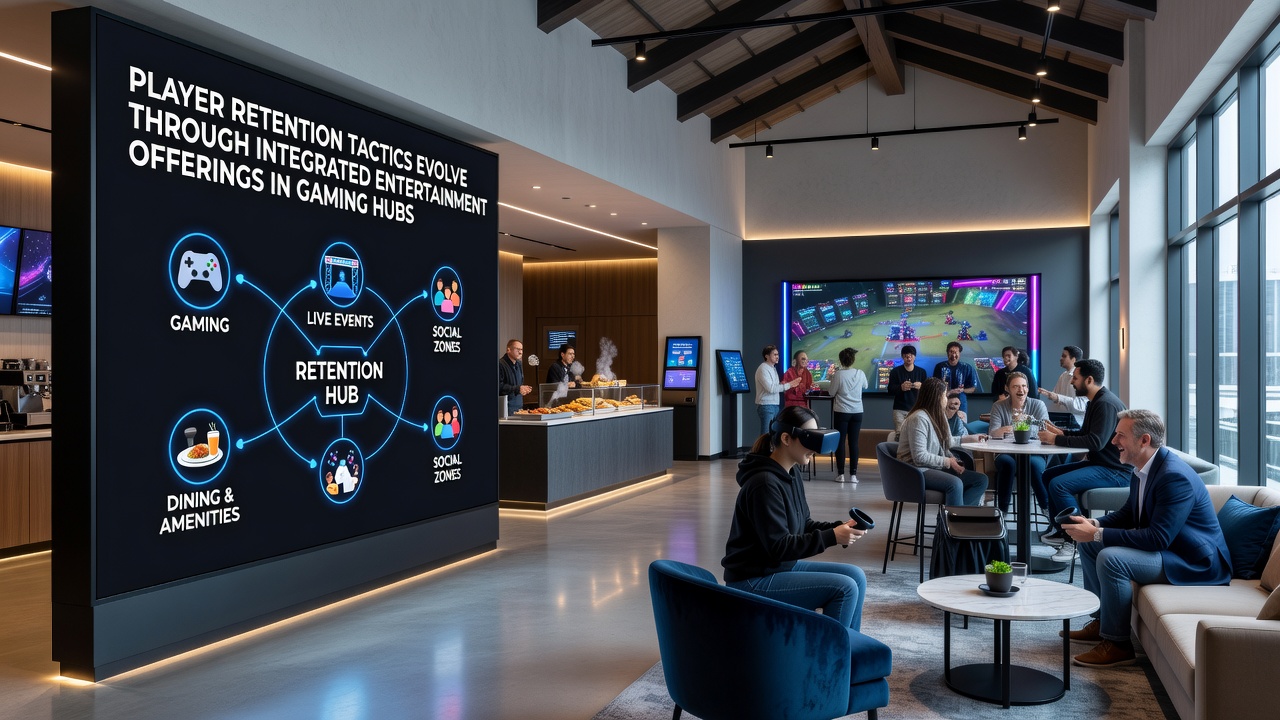
Integrated entertainment offerings now form the core of retention strategies across major gaming destinations, where operators combine gaming floors with live performances, hospitality services, sports venues, and convention spaces to create extended visitor experiences that encourage repeat visits, according to data from the American Gaming Association. These approaches have gained traction since operators observed that visitors who engage with multiple amenities beyond slots and tables demonstrate higher return rates over twelve-month periods, while single-activity guests show more variable patterns.
Expansion of Multi-Use Venues in Key Markets
Operators in established markets have accelerated investments in blended facilities that link gaming directly to concerts, theatrical productions, and athletic events, creating seamless transitions between activities that keep patrons on-site for longer durations. Data collected through 2025 indicated that properties offering coordinated schedules across entertainment categories recorded average visit frequencies twenty-three percent higher than those focused primarily on gaming alone, and this pattern continued into mid-2026 as new venue partnerships took effect.
One notable development occurred when several properties aligned summer programming with regional music festivals and sports training camps, allowing guests to move between gaming sessions and external events without leaving the complex. Such coordination reduces the likelihood that visitors will seek entertainment elsewhere, and it builds familiarity with the location that supports future bookings.
Technology Integration Supporting Cross-Activity Engagement
Digital platforms now connect loyalty programs across gaming, dining, lodging, and event attendance, so that participation in one area automatically accumulates rewards usable in others. Systems deployed during 2025 and refined through August 2026 track engagement metrics in real time, enabling operators to adjust offers such as complimentary show tickets or dining credits based on individual activity profiles. These adjustments occur without requiring separate enrollment processes, which simplifies participation and maintains continuity across visits.
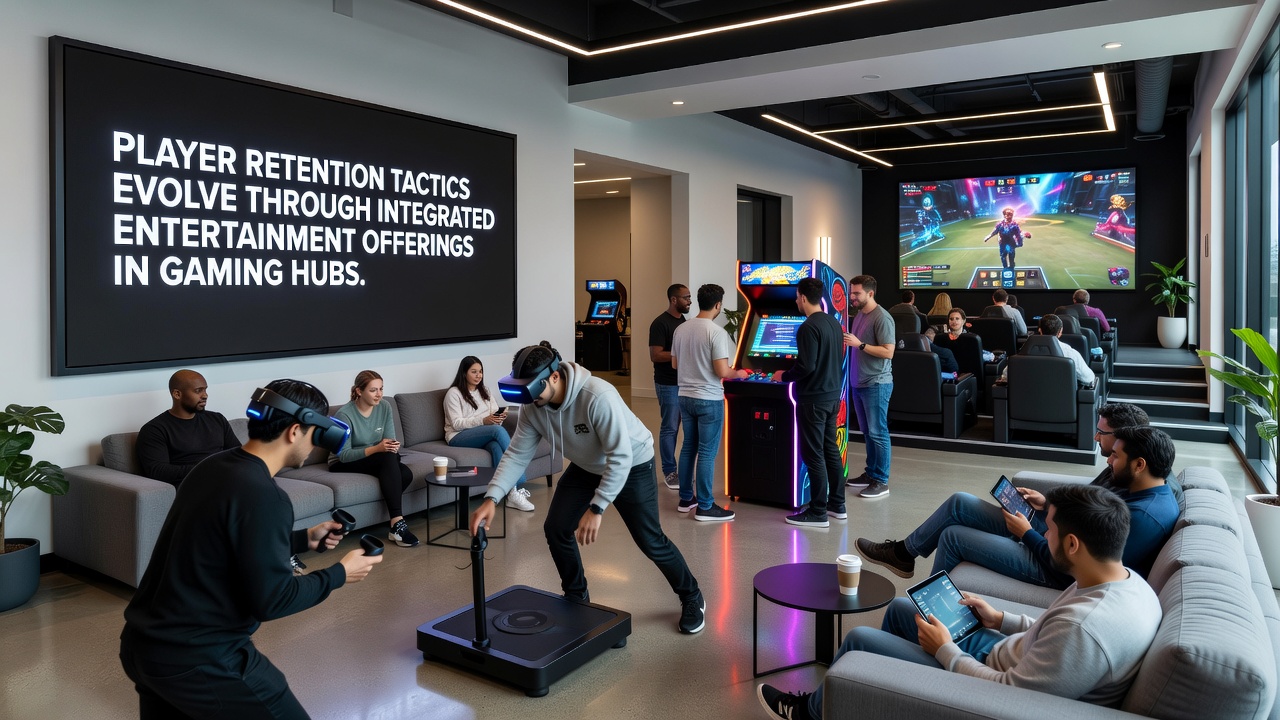
Research conducted by the University of Nevada, Las Vegas Center for Gaming Research found that unified reward structures correlate with measurable increases in cross-category spending, particularly when points earned at tables or machines convert directly into event access or hotel upgrades. The study examined properties across three states and noted that retention rates improved most noticeably among guests who utilized at least three distinct entertainment categories during a single stay.
Regional Variations in Implementation
Markets outside traditional casino corridors have adopted similar models with adjustments for local regulations and visitor demographics. In Canada, facilities managed under provincial oversight have expanded partnerships with regional performing arts centers, while Australian integrated resorts have emphasized convention and exhibition spaces that attract corporate groups during traditionally slower gaming periods. Figures released by state gaming authorities in both countries show that these expansions coincide with steadier year-round occupancy and higher per-visitor spend compared with earlier single-focus approaches.
European operators, meanwhile, have integrated wellness and spa facilities with gaming areas, creating packages that combine treatment sessions with evening entertainment options. This model appeals to a broader age range and supports longer average stays, according to reports compiled by the European Casino Association.
Measurement of Retention Outcomes
Operators now rely on segmented analytics that separate retention data by entertainment participation level rather than gaming volume alone. Properties that implemented these tracking methods during 2025 reported clearer identification of high-value segments, allowing targeted communications that reference specific past experiences such as a particular concert or dining event. The approach has reduced generic marketing volume while increasing response rates on personalized offers.
August 2026 data releases from multiple jurisdictions indicated that integrated entertainment strategies continued to correlate with lower player churn rates, especially among visitors aged thirty-five to fifty-five who previously showed the highest attrition after initial visits. These patterns hold across both destination resorts and regional gaming hubs, suggesting the tactics scale effectively when infrastructure supports coordinated activity scheduling.
Conclusion
Gaming hubs continue to refine retention methods by embedding gaming within wider entertainment frameworks that address multiple visitor motivations simultaneously. The documented results from loyalty integration, cross-activity scheduling, and regional adaptations demonstrate consistent associations with improved return metrics across diverse markets. As measurement tools and partnership models mature, operators maintain focus on verifiable engagement data to guide further adjustments in how entertainment offerings connect with core gaming experiences.