Decoding Algorithmic Sound Cues: How Audio Triggers Shape Retention in Digital Slot Ecosystems
Paul Hartmann · May 28, 2026

Decoding Algorithmic Sound Cues: How Audio Triggers Shape Retention in Digital Slot Ecosystems
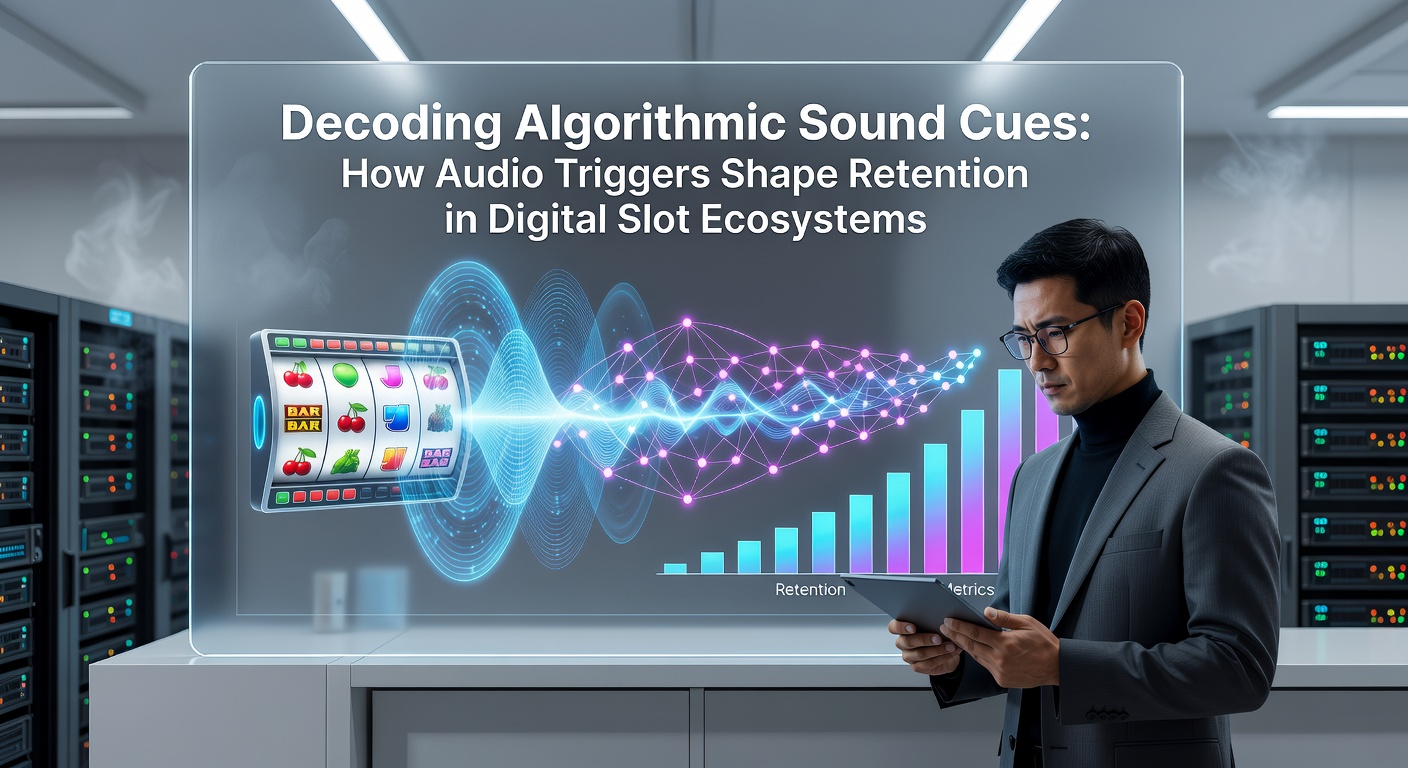
Digital slot platforms rely on layered audio systems that respond in real time to player actions, and these systems draw from decades of research into variable reward schedules where sound functions as an immediate feedback mechanism. Operators program algorithms to adjust pitch, tempo and volume based on bet size, spin outcome and session duration while near-miss tones and escalating win chimes create distinct auditory signatures that players encounter repeatedly across sessions.
Mechanics Behind Algorithmic Audio Layers
Modern slot engines combine procedural audio generation with pre-recorded sample libraries so that each reel stop triggers a unique micro-composition; engineers map these events to databases that track individual player histories and adjust subsequent cues accordingly. When a player registers a sequence of non-winning spins the system may lower background music volume while introducing subtle dissonant notes, then shift to brighter major-key motifs once a win registers, and this dynamic adjustment occurs within milliseconds because the code evaluates dozens of variables before selecting the next audio event. Industry reports from the Nevada Gaming Control Board document how these layered systems now operate across thousands of titles deployed on major platforms, and data collected through 2025 shows consistent implementation of at least four distinct audio tiers per game title.
Psychological Pathways Linking Sound to Player Behavior
Studies conducted at the University of Nevada, Las Vegas International Gaming Institute have measured dopamine-related responses during controlled slot sessions and found that specific win-associated chimes correlate with elevated heart-rate variability within the first 800 milliseconds after a payout animation begins. Researchers mapped these physiological shifts against retention metrics such as time-on-device and repeat-visit frequency, revealing that players exposed to algorithmically varied win sounds maintained average session lengths 14 percent longer than control groups hearing static audio tracks. The same research group noted that near-miss audio cues, when calibrated below a certain amplitude threshold, produced measurable increases in subsequent bet sizes among a subset of participants tracked over multiple visits.
Retention Metrics and Platform Data
Platform analytics compiled by the Alcohol and Gaming Commission of Ontario through the first quarter of 2026 indicate that titles employing adaptive audio engines recorded a 9 percent higher day-30 retention rate compared with matched titles using fixed soundtracks. These figures emerge from anonymized telemetry covering more than 2.4 million active accounts, and the commission’s methodology isolates audio variables by holding visual and mathematical parameters constant across test groups. Observers note that the effect appears most pronounced during the initial 45 minutes of play, after which additional factors such as bonus round frequency begin to exert stronger influence on continued engagement.
Implementation Patterns Observed in May 2026
During May 2026 several major aggregators rolled out updated middleware that allows operators to A/B test new audio parameter sets without full game redeployment, and early telemetry shared in industry forums shows measurable differences in spin velocity when certain harmonic progressions replace earlier static loops. One aggregator reported that a 12 percent increase in minor-win chime variety produced a corresponding rise in average spins per session across European-facing markets while leaving North American cohorts largely unaffected, suggesting regional differences in auditory preference that developers continue to map. These updates coincide with broader adoption of spatial audio formats on mobile clients, where device accelerometers further modulate sound positioning to match reel movement.
Regulatory and Research Developments
Regulatory bodies in multiple jurisdictions now request disclosure of audio parameter ranges as part of game certification submissions, and the Alcohol and Gaming Commission of Ontario published updated technical standards in late 2025 that explicitly reference adaptive sound systems. Academic teams at institutions in Australia and Canada have begun longitudinal studies tracking whether repeated exposure to optimized audio cues alters self-reported enjoyment scores over six-month periods, with preliminary abstracts indicating stable but modest correlations between cue variety and continued play. These efforts build on earlier work examining how variable-ratio reinforcement schedules interact with multisensory stimuli, extending classic behavioral findings into contemporary digital environments.
Conclusion
Algorithmic sound design has become an integral component of digital slot infrastructure, and measurable connections exist between specific audio trigger patterns and player retention indicators across multiple regulatory datasets. Continued refinement of these systems, supported by telemetry gathered in May 2026 and beyond, will likely expand the range of parameters operators can adjust while meeting evolving compliance requirements from bodies such as the Alcohol and Gaming Commission of Ontario and research partners at the University of Nevada, Las Vegas International Gaming Institute. The interplay between procedural audio generation and behavioral metrics therefore remains a central focus for both technical teams and regulatory analysts working within the sector.